Solar Gard ULR Window Film
Ultra-low reflective ceramic film that keeps your glass looking clear from both sides, while blocking UV and reducing infrared heat.
- 77%Visible light let in
- 8%Reflectance inside and out
- >99%UV blocked
What Is ULR?
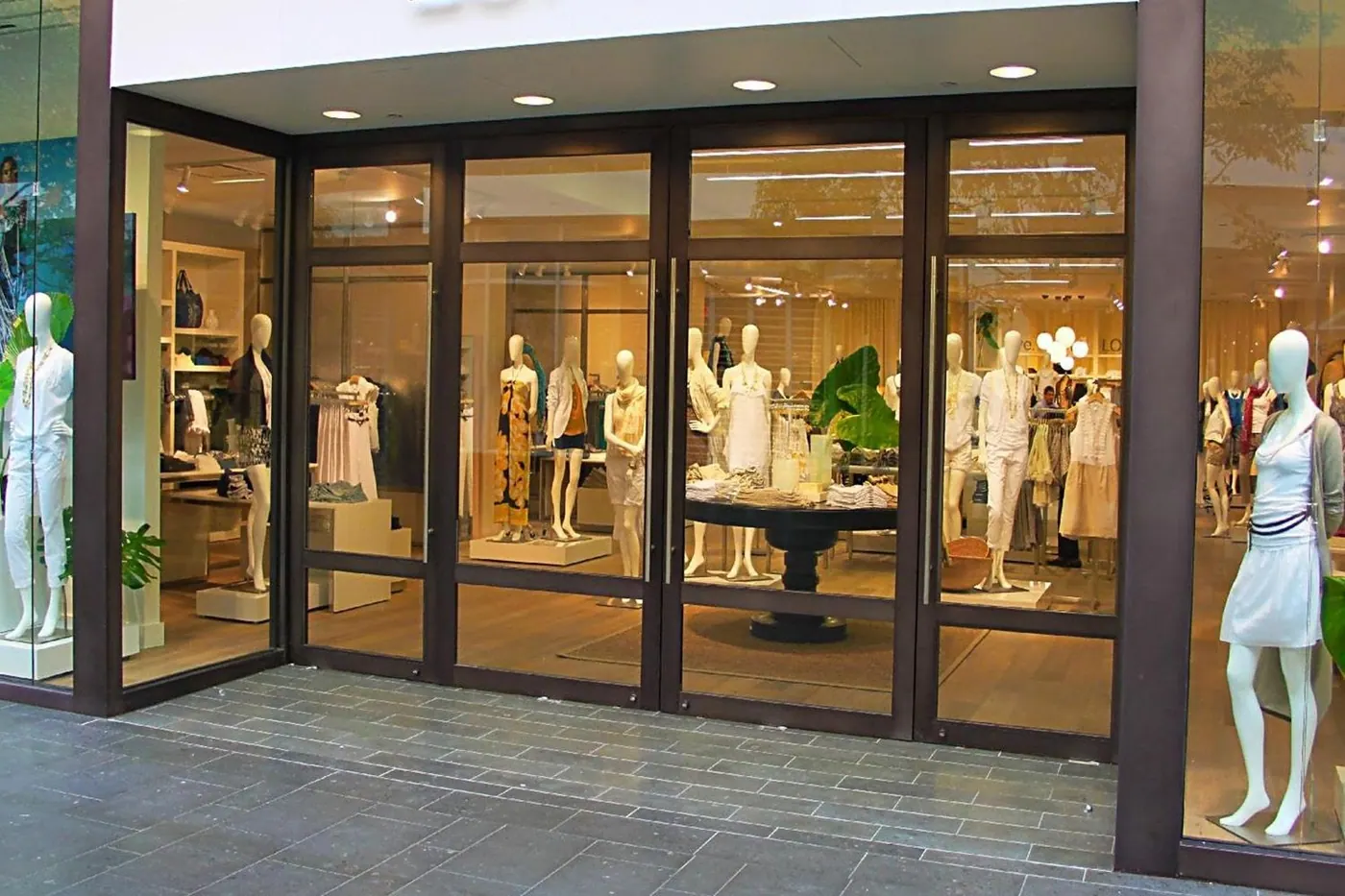
ULR stands for Ultra-Low Reflectivity. It is a non-metallised ceramic film, so it does not add the mirror look that many solar films have. Reflectance is around 8% on both sides of the glass, about the same as clear glass on its own.
Solar Gard says ULR 80 rejects around 84% of infrared energy and blocks more than 99% of UV, the main cause of fading. Because it lets most of the daylight through, it is a strong choice when you want UV and comfort benefits without changing how the glass looks.
We mostly recommend ULR for shopfronts and display windows, and for homes where keeping the view and natural light matters more than maximum heat rejection.
Warranty: Solar Gard manufacturer warranty, terms confirmed in your quote.
Great for
- Shopfronts and display windows
- Rooms where you want as much daylight as possible
- Strata or heritage buildings that restrict reflective film
- Protecting furniture, floors and stock from UV fading
Think twice if
- You need strong heat rejection on west-facing glass
- You want daytime privacy
- You want to darken a room or cut strong glare
ULR Specifications
Official performance data for ULR 80. Lower VLT means a darker film; higher TSER means more heat rejected.
| Specification | ULR 80 |
|---|---|
| Visible light transmittance (VLT) | 77% |
| Visible light reflectance, exterior | 8% |
| Visible light reflectance, interior | 8% |
| Total solar energy rejected (TSER) | On request |
| Solar heat gain coefficient (SHGC) | On request |
| UV light blocked (300 to 380 nm) | >99% |
| Glare reduction* | 13% |
| Fade reduction | On request |
Source: Solar Gard ULR 80 data sheet (Australia/NZ), 6mm clear glass. Solar heat figures are not published in the same format for ULR, so we confirm them in your quote. *Glare reduction calculated against untreated 6mm clear glass.
Is ULR Right For You?
ULR 80
The current ULR film in Australia. Lets in about 77% of visible light on 6mm clear glass, with very low reflection and a subtle cool tint that keeps outdoor colours looking natural.
Need more heat rejection?
If heat is the main problem, a spectrally selective film such as the LX Series, or a ceramic film such as Ceramic CX, will reject more solar energy while still looking natural.
ULR vs LX Series
Both films keep a natural look with very low reflection. ULR 80 lets in more light and is the more invisible option. The LX Series rejects more solar energy (54% to 65% depending on shade) and comes in darker options.
If your priority is UV protection with an unchanged look, choose ULR. If you also want to feel a real drop in heat, the LX Series is usually the better fit.
Compare With The LX SeriesHelpful Guides
Sitting in the sun indoors? Find out whether window film protects your skin from UV.
Worried about losing light? We explain whether window tint will make your house dark.
ULR FAQs
Will people notice ULR film on my windows?
Very unlikely. ULR has around 8% reflectance inside and out, similar to plain glass, and lets in about 77% of visible light, so most people cannot tell the film is there.
Does ULR reduce heat?
Yes, but less than darker or reflective films. Solar Gard reports around 84% infrared rejection for ULR 80. For rooms that overheat, we usually suggest a film with higher total solar energy rejection.
Is ULR good for shopfronts?
Yes. It is one of the most popular choices for retail glass because it protects stock from UV fading without hiding your display.
Is ULR an interior or exterior film?
ULR 80 is installed on the inside of the glass. We check your glass type before installing any film.
Get A Free ULR Quote
Send us your glass sizes and we’ll confirm whether ULR is the right fit.